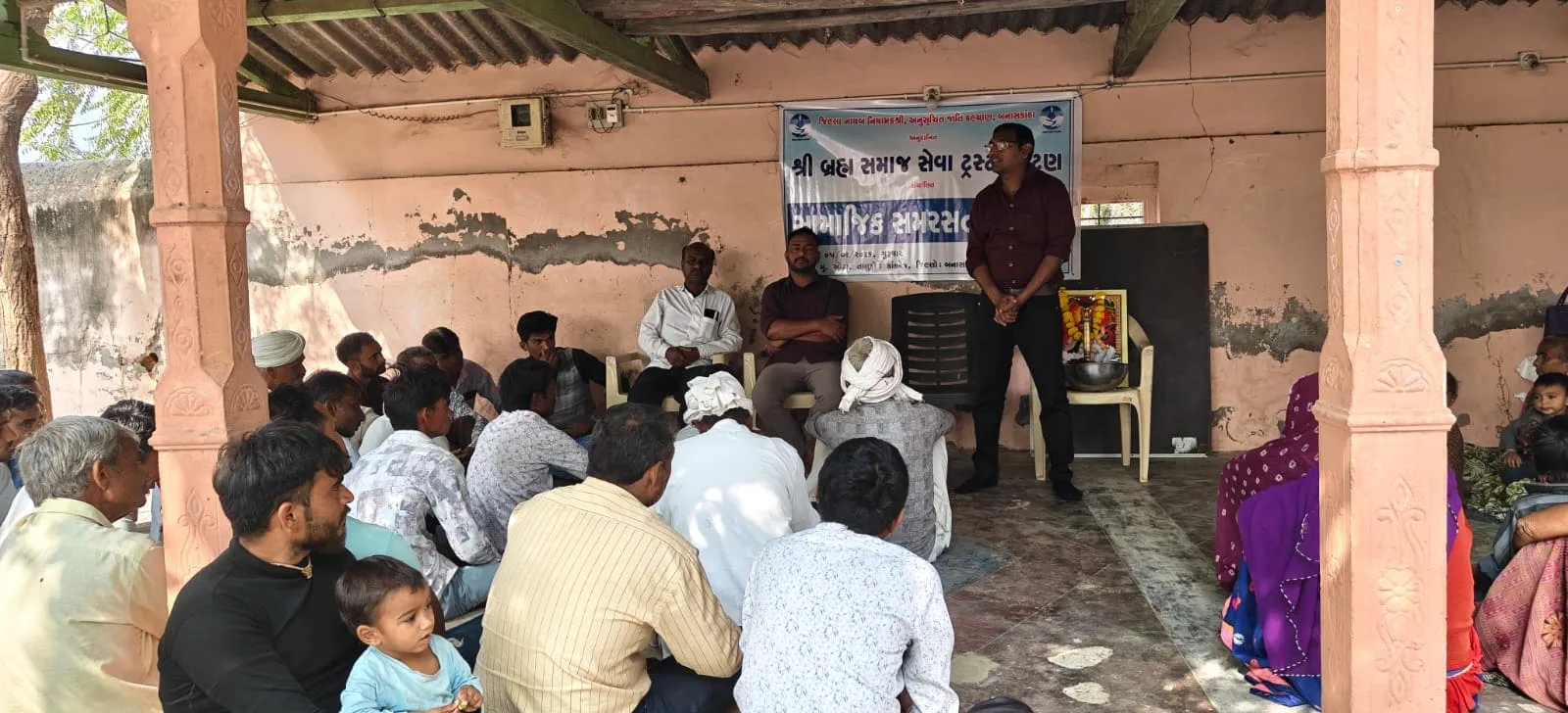
Samajik Samrasta Shibir – Banaskantha

Description

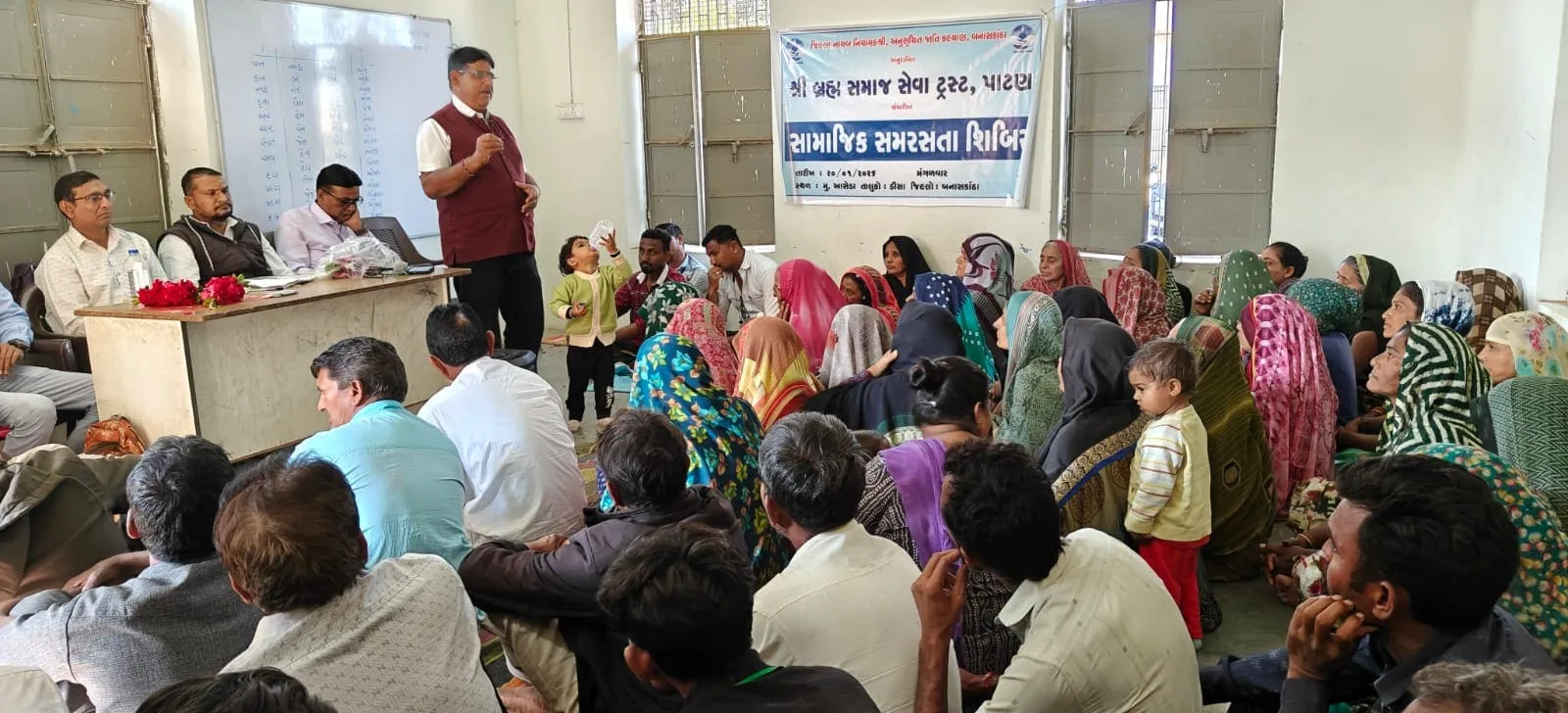
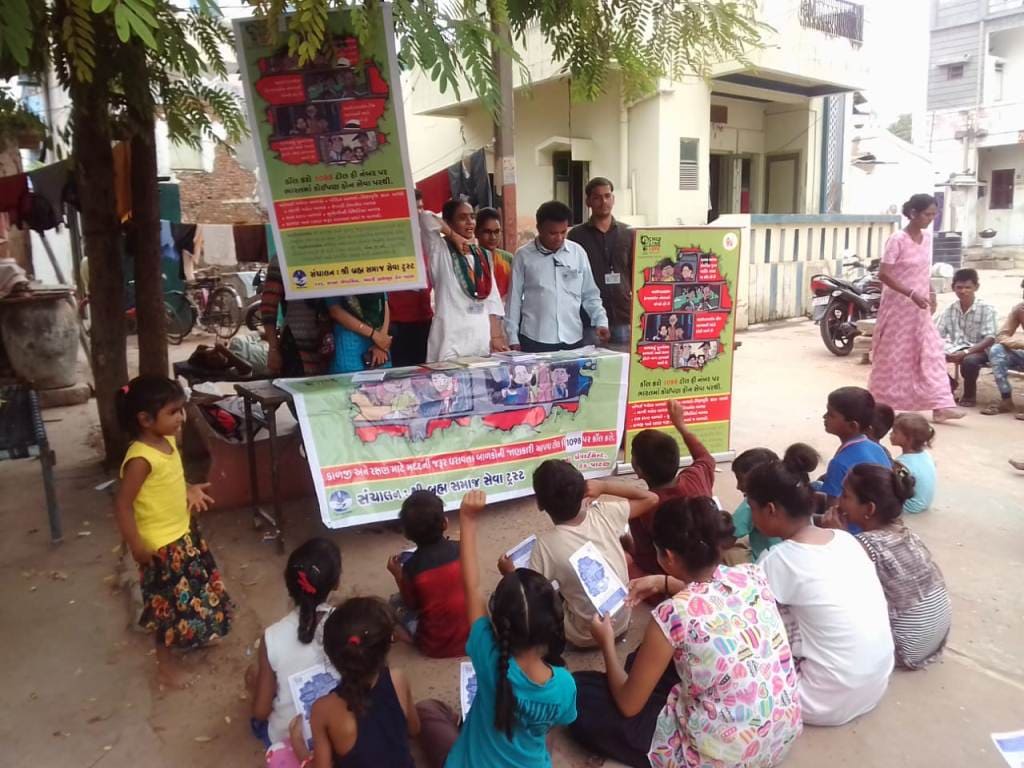
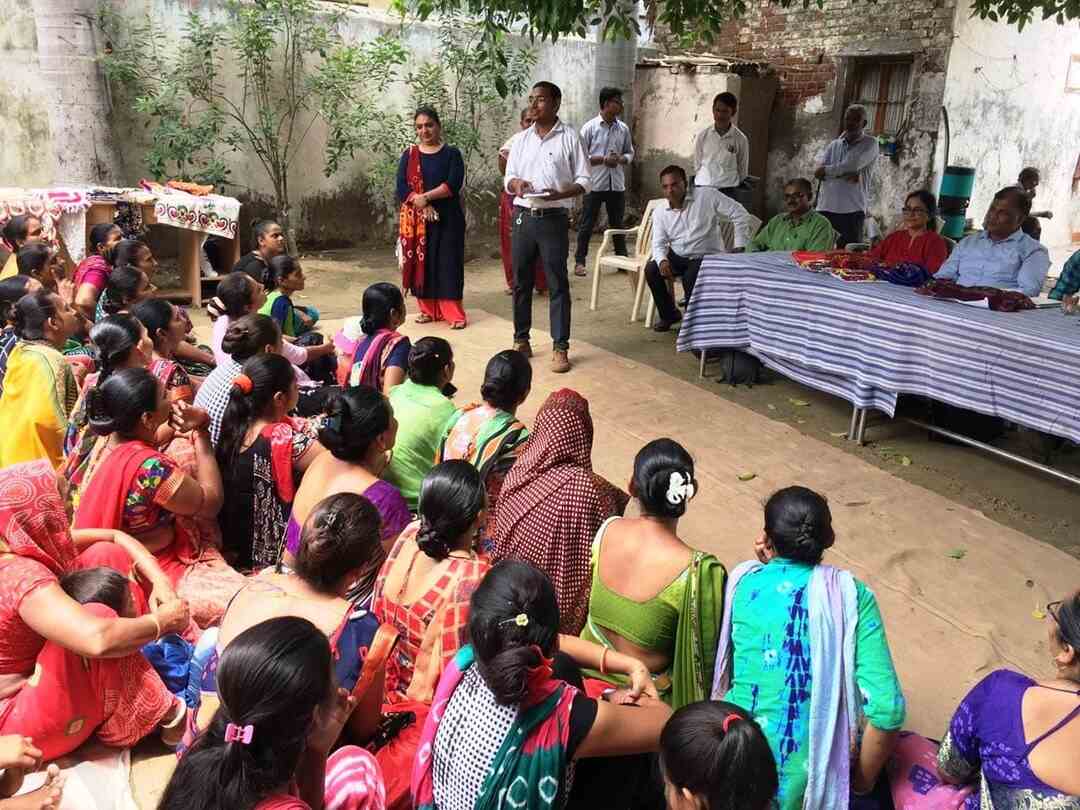
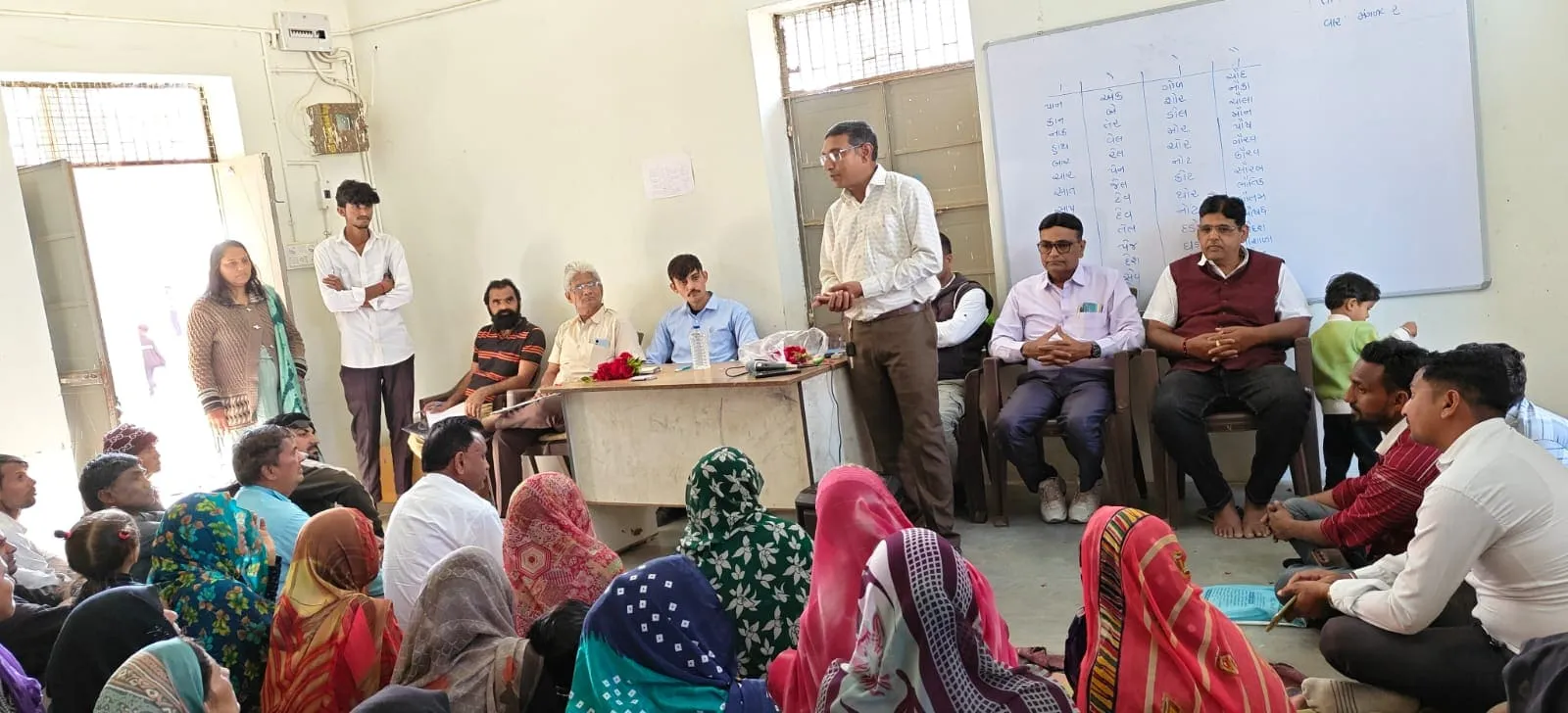
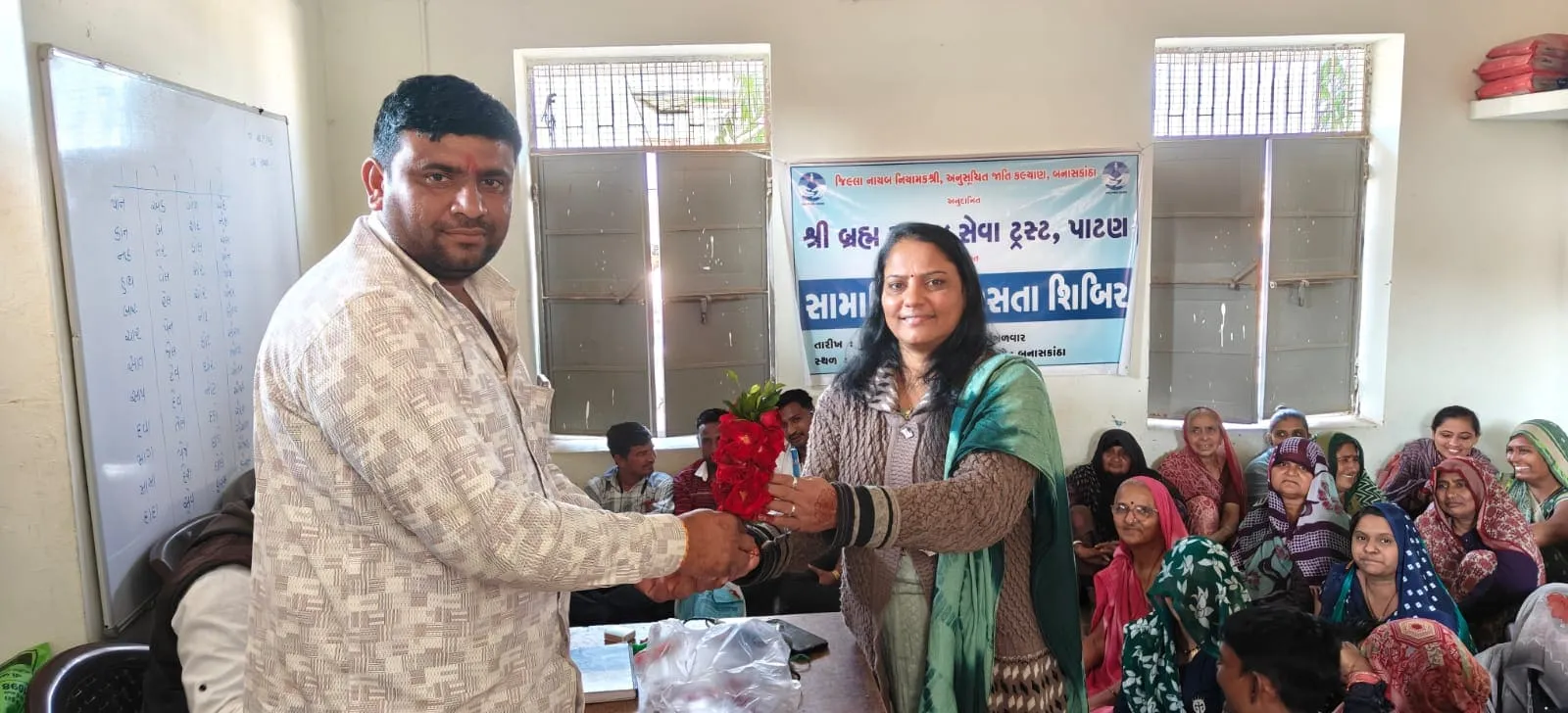
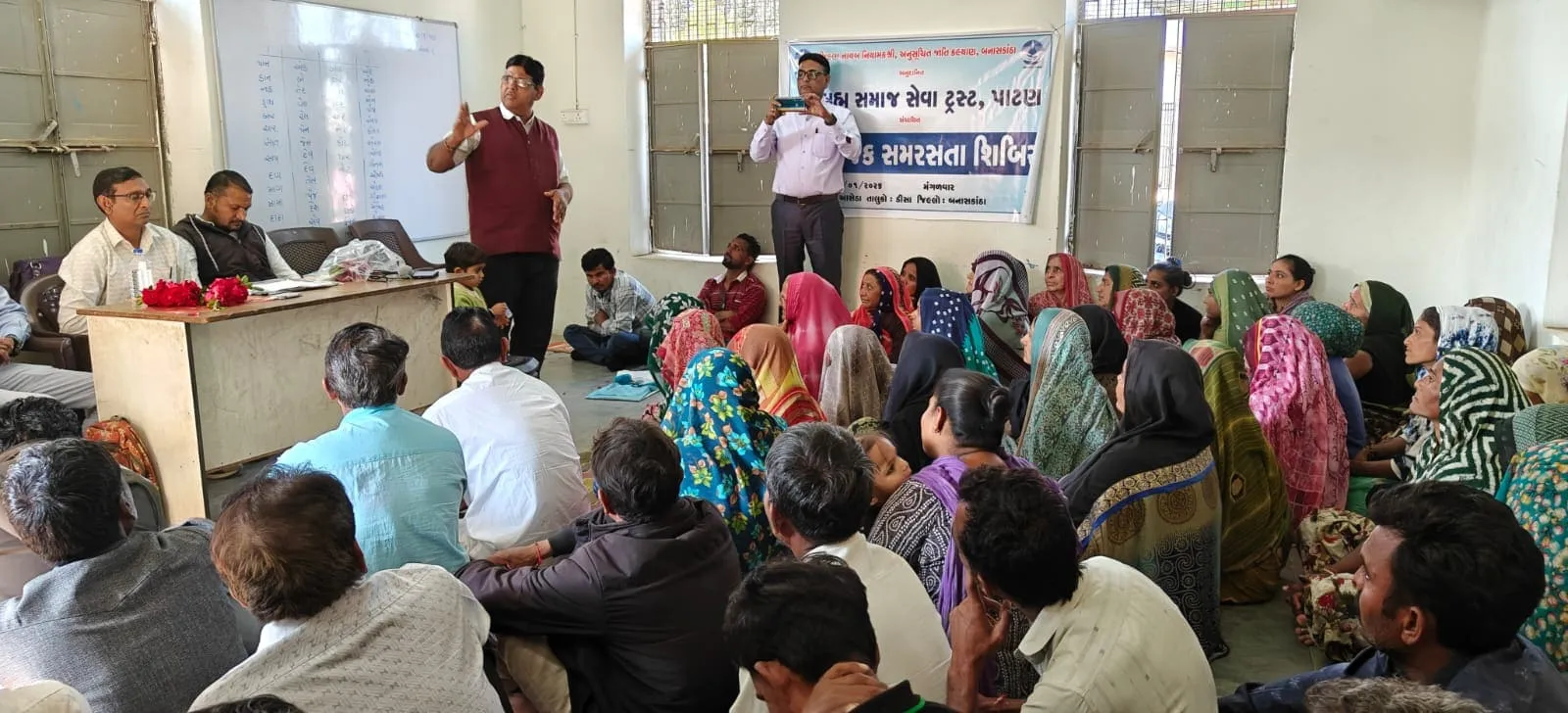
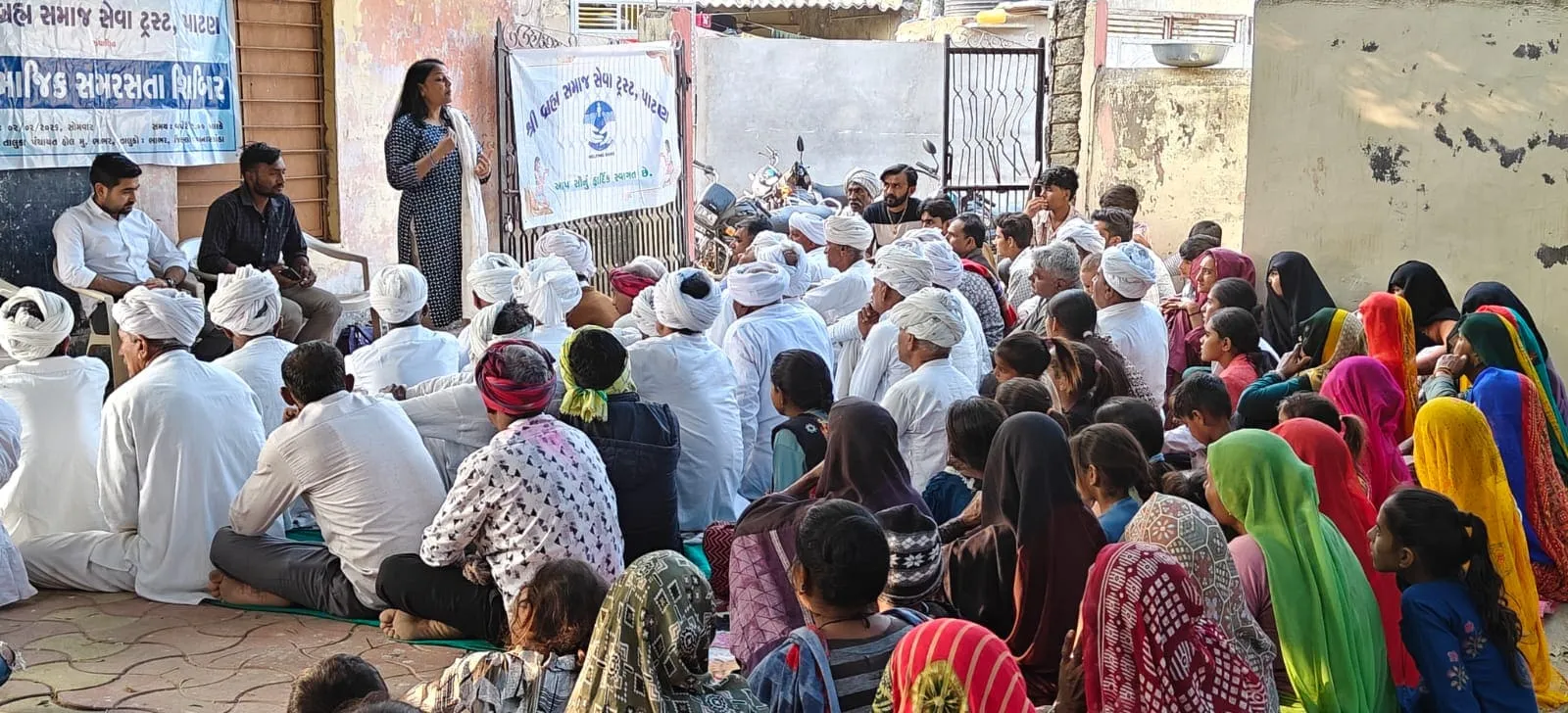
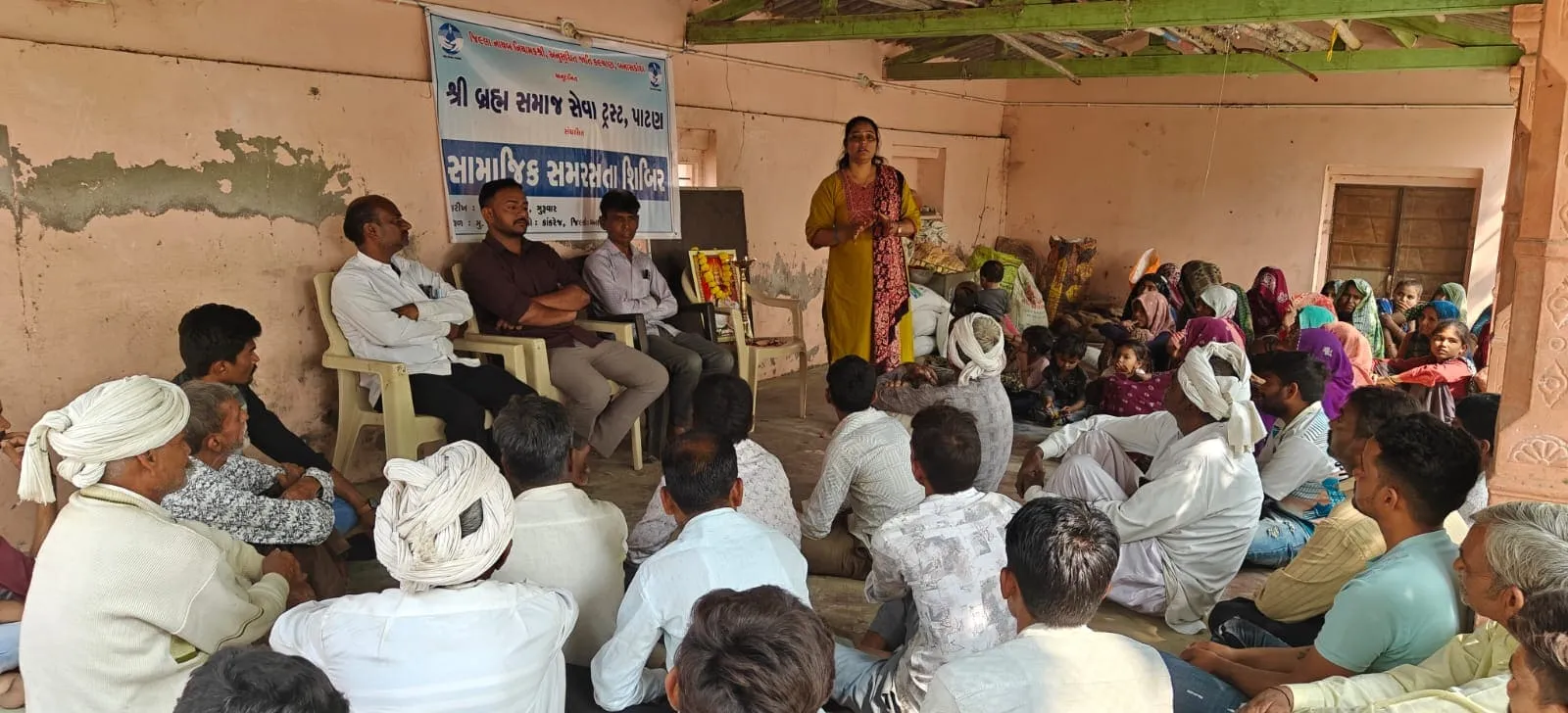
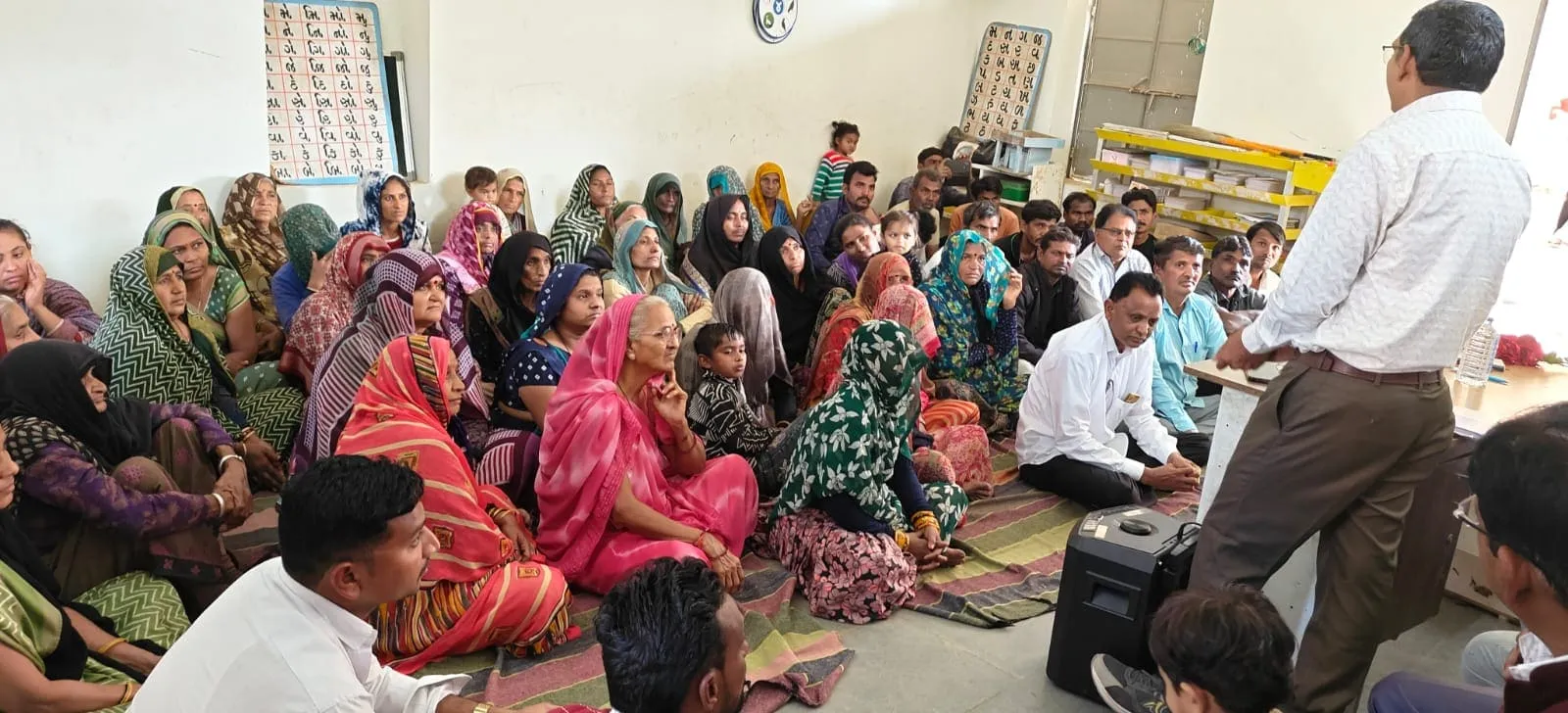
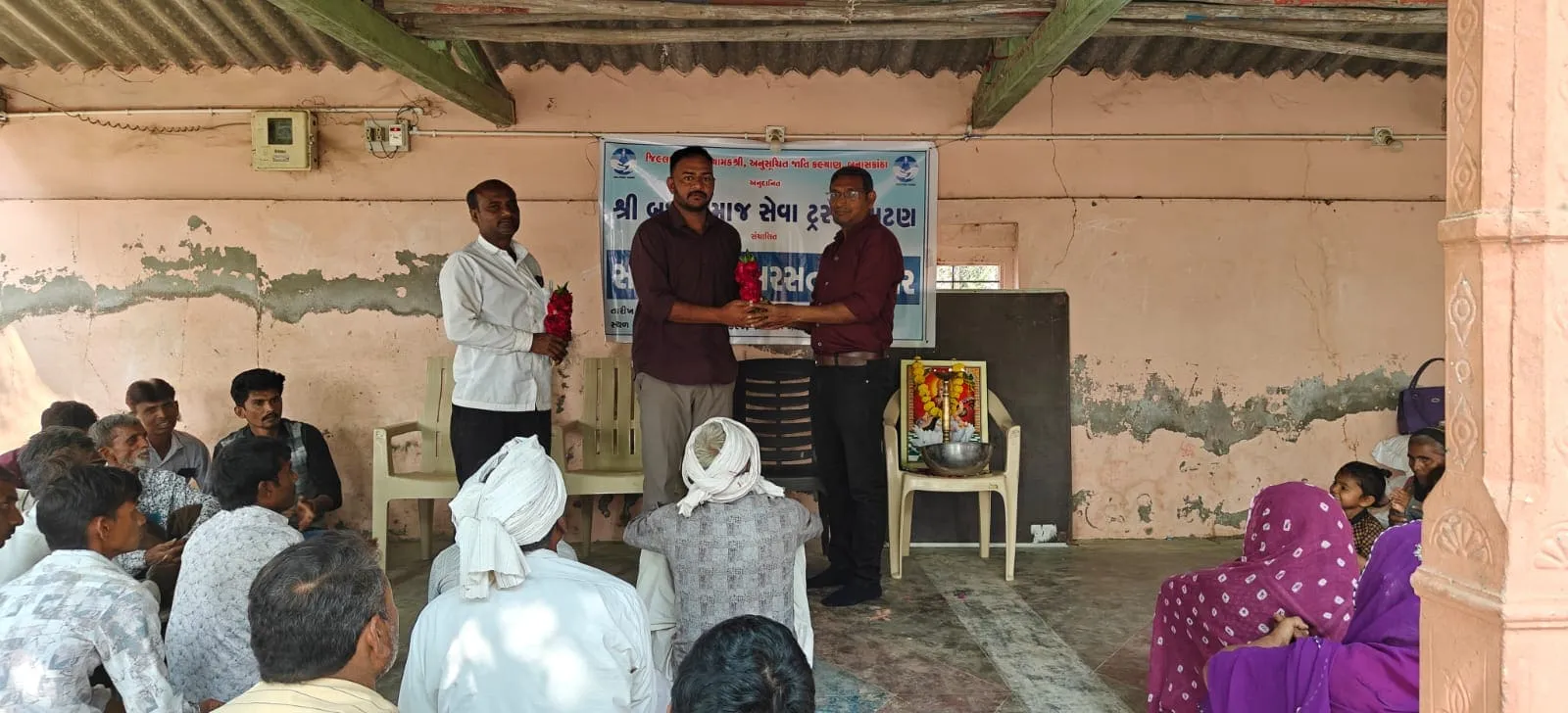
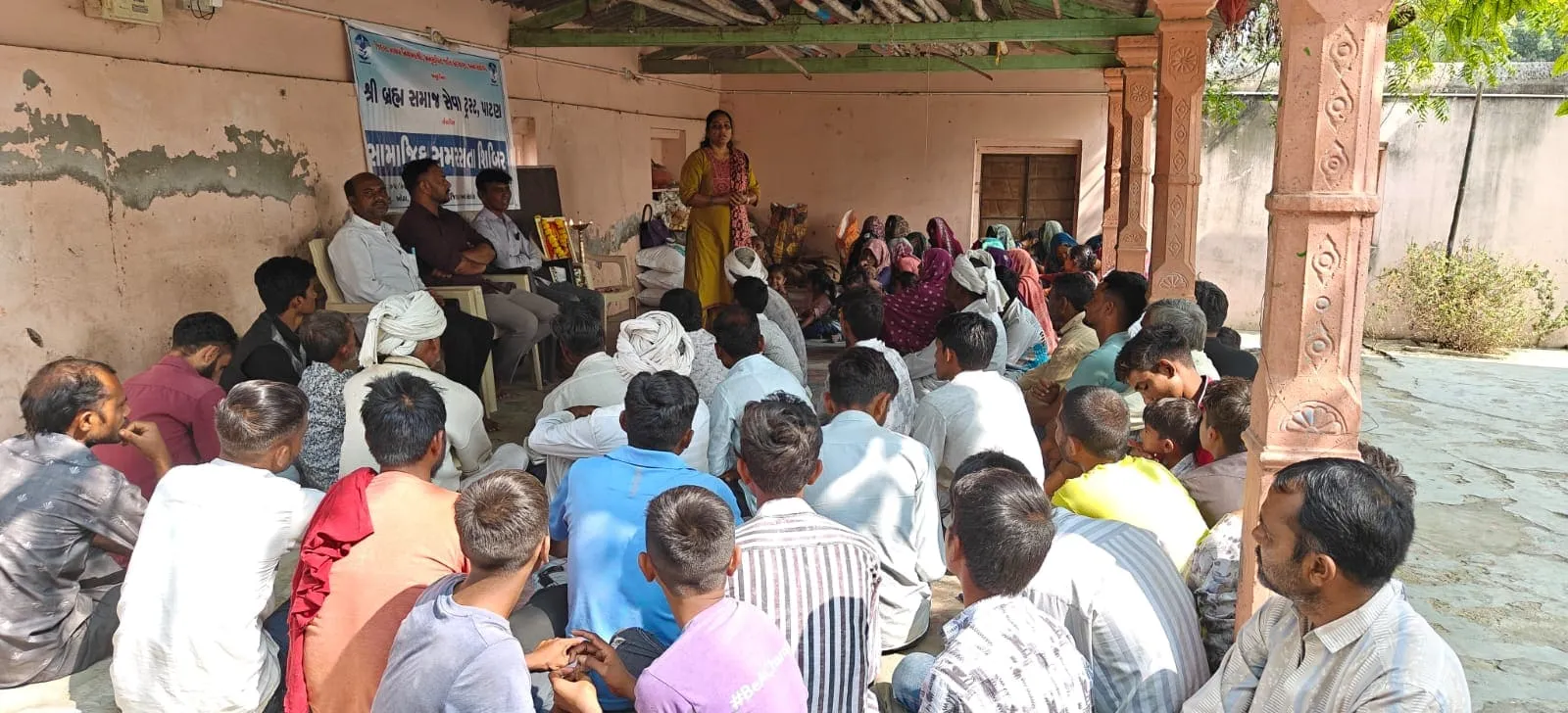
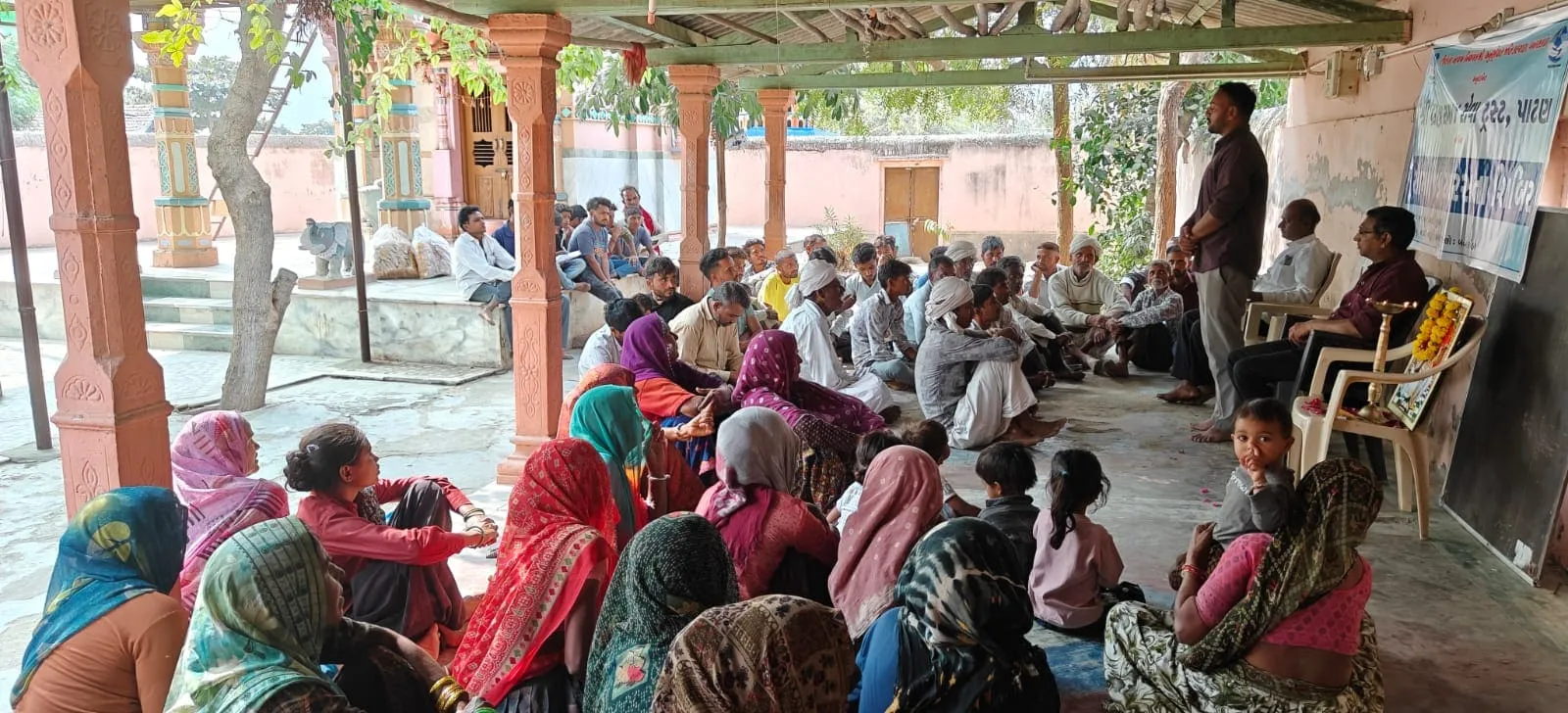
The Samajik Samrasta Shibir was successfully organized in Banaskantha district at different locations including Aseda (Ta. Deesa), Oadha (Ta. Kankrej), and Gosan (Ta. Bhabhar). The program was conducted under the guidance of the District Social Welfare Office, Banaskantha, and organized by Shri Brahm Samaj Seva Trust. The shibir began with traditional lamp lighting and a welcome address, followed by insightful guidance from respected dignitaries and social leaders. The event focused on promoting social harmony, unity, brotherhood, and cooperation among different sections of society. Eminent speakers emphasized the need to remove discrimination based on caste, religion, language, gender, and economic background. Discussions were held on social equality, mutual respect, coexistence, and strengthening social values among the younger generation. A large number of villagers, youth, women, and community representatives actively participated in the program, making it a meaningful and impactful initiative toward building an inclusive and progressive society.

The Objectives of the Scheme are:

  • i) To promote social harmony and unity among various sections of society beyond differences of caste, religion, language, and economic status.
  • ii) To eliminate discrimination, untouchability, and social inequality by spreading awareness about equality and justice.
  • iii) To strengthen the spirit of brotherhood, cooperation, and peaceful coexistence in society.
  • iv) To encourage mutual respect and understanding among different communities for overall social development.
  • v) To create awareness about constitutional values such as equality, justice, and fraternity.
  • vi) To nurture social and moral values among the younger generation to ensure long-term social stability and progress.

Prospective Vocational Programs:

  • i) To introduce skill development training programs for youth and women in rural areas to enhance employment opportunities.
  • ii) To provide vocational training in fields such as tailoring, embroidery, handicrafts, computer literacy, retail assistance, and basic entrepreneurship based on local needs.
  • iii) To promote self-employment and small business initiatives that generate sustainable income for families.
  • iv) To integrate personality development, communication skills, and digital awareness to prepare individuals for modern job markets.
  • v) To empower marginalized and economically weaker sections through livelihood-oriented training programs.
  • vi) To contribute to long-term community development by creating skilled, confident, and economically independent individuals.